khaborwala online desk
Published: 01 Mar 2026, 06:50 pm
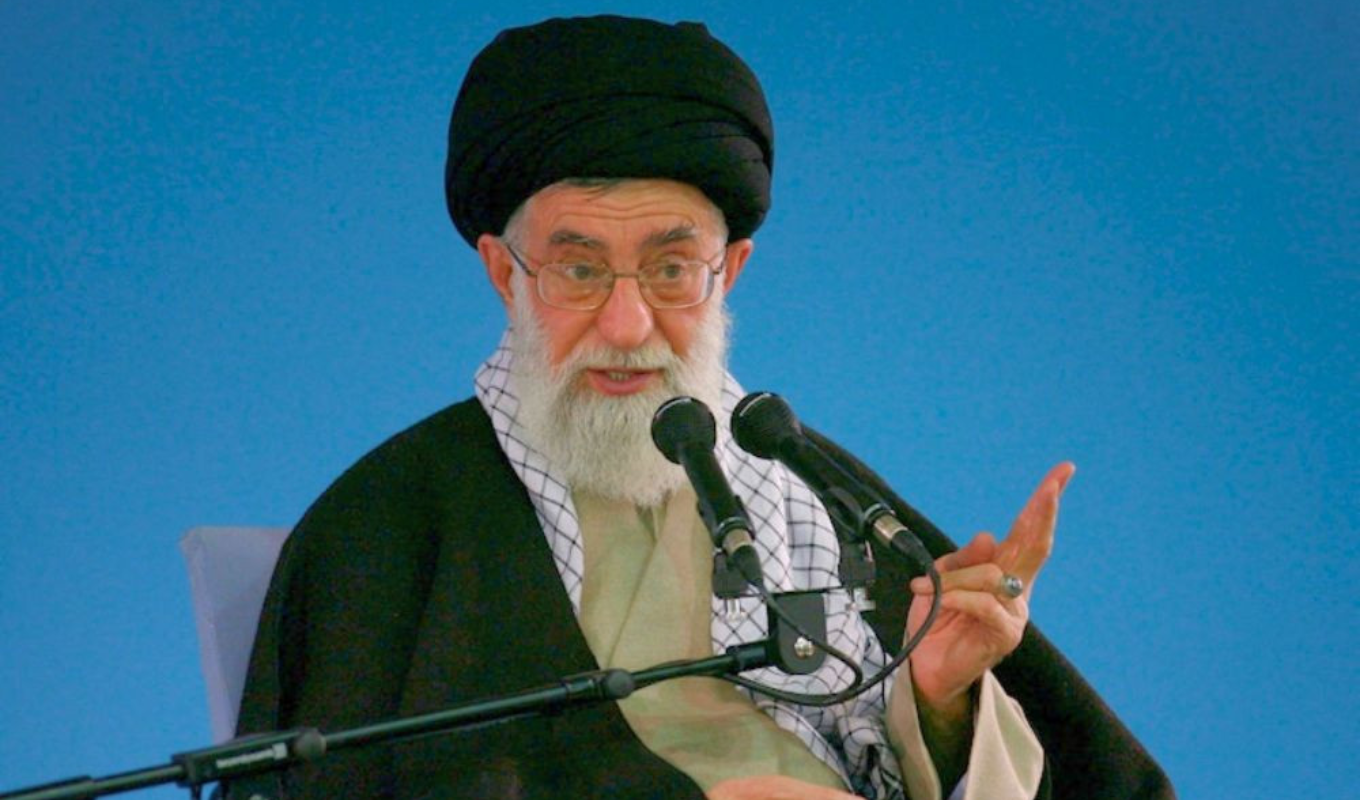
The government of the Islamic Republic of Iran has officially confirmed that Ayatollah Ali Khamenei, the country’s supreme leader since 1989, was killed in a joint military strike by the United States and Israel over the weekend. Iranian state media made the announcement early on Sunday, 1 March 2026, declaring that Khamenei was killed while performing his official duties in Tehran.
State broadcasters described the attack as a “cowardly assault” and reported that the cleric attained “martyrdom”, a term reflecting his status in the nation’s official rhetoric. Iran has declared a 40‑day period of national mourning and seven days of public holidays to honour him.
This development follows statements by United States President Donald Trump, who announced on social media that Khamenei — whom he described as “one of the most evil people in history” — had been killed in the operation. Israeli officials also indicated the attack targeted the supreme leader and other senior figures as part of a broader campaign aimed at crippling Iran’s leadership.
To provide a clearer picture, here is a summary of the key reported details surrounding the strikes and their immediate consequences:
| Aspect | Details |
|---|---|
| Target | Ayatollah Ali Khamenei and senior Iranian officials |
| Operation | Joint United States–Israel strikes on Tehran and other sites |
| Death Confirmed | Officially confirmed by Iranian state media on 1 March 2026 |
| Mourning | 40 days of national mourning declared; seven public holidays |
| Additional Casualties | Reports suggest the deaths of several senior officials and some family members alongside Khamenei |
| Reaction | Iran has vowed retaliation and heightened security alert; protests and mourning observed domestically and regionally |
The killings of senior military and political figures alongside Khamenei — including reported deaths of his daughter and close advisers — have been noted by multiple sources.
The death marks an unprecedented moment in the Islamic Republic’s history. Khamenei had held ultimate authority over Iran’s political, military, and religious institutions for more than three decades, shaping its foreign policy and strategic posture across the region. His passing raises critical questions about Iran’s succession process, potential internal power struggles, and the broader trajectory of Middle Eastern geopolitics.
Internationally, reactions have been mixed: some governments have called for restraint to avoid further escalation, while Iran’s leadership has vowed that retaliatory measures are a “legitimate duty” in response to what it terms an act of aggression.
As events continue to unfold, the region remains in a state of heightened tension, with markets and diplomats alike watching closely for signs of how Iran will reorganise its leadership and respond to these events.

> Khamenei Assassination Breaches Global Law
> Case Filed Against Actor Jaher Alvi
> Volunteer Leader Arrested in Extortion Case
> Hawaiʻi Moves Against Big Oil
> National Insurance Day Falls Silent
> Biman Resumes Madinah and Jeddah Flights Today
> Experian Launches AI Insurance Marketplace Within ChatGPT
> Flights Halted, Mushfiqur Stranded in Jeddah
> All Dhaka–Middle East Flights Temporarily Suspended
> Deadly Attack Hits Girls’ School in Iran
> Bangladesh Identifies High-Risk Earthquake Zones
> One Call Changed Sunny Leone’s Life Forever

Russian President Vladimir Putin has expressed profound grief over the death of Iran’s Supreme Leade...

Home insurance in Hawaii is entering a period of acute instability, with premiums surging and polici...

Following the recent escalation of cross-border attacks between Iran and Israel, which led to the su...

In 1972, as Apollo 17 commander Eugene Cernan prepared to leave the lunar surface, he reflected, “As...
Protests have erupted across Pakistan following the confirmed death of Iran’s Supreme Leader Ayatoll...
A significant new rule, informally dubbed the “Vinícius Law,” is set to be implemented in football a...

A high-stakes encounter awaits tonight as India and the West Indies go head-to-head in a must-win Tw...
_1772368585.png)
Under the leadership of Ayatollah Ruhollah Khomeini, the 1979 Islamic Revolution ended the pro-Weste...

Bangladesh national cricketer Mushfiqur Rahim, who had travelled to Saudi Arabia to perform the Umra...
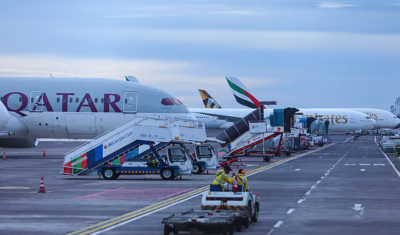
The escalating conflict in the Middle East, following joint strikes by Israel and the United States...
In a harrowing development in Narsingdi, the court has granted an eight-day remand for seven individ...
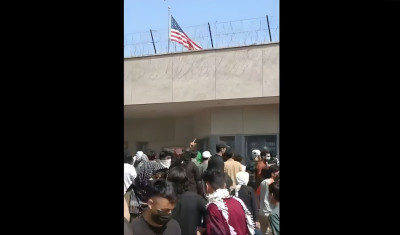
Widespread demonstrations have erupted across Pakistan following the reported killing of Ayatollah A...


Availabe for iphone & ipads

Available in google play
 বাংলা
বাংলা