khaborwala online desk
Published: 01 Mar 2026, 03:13 pm
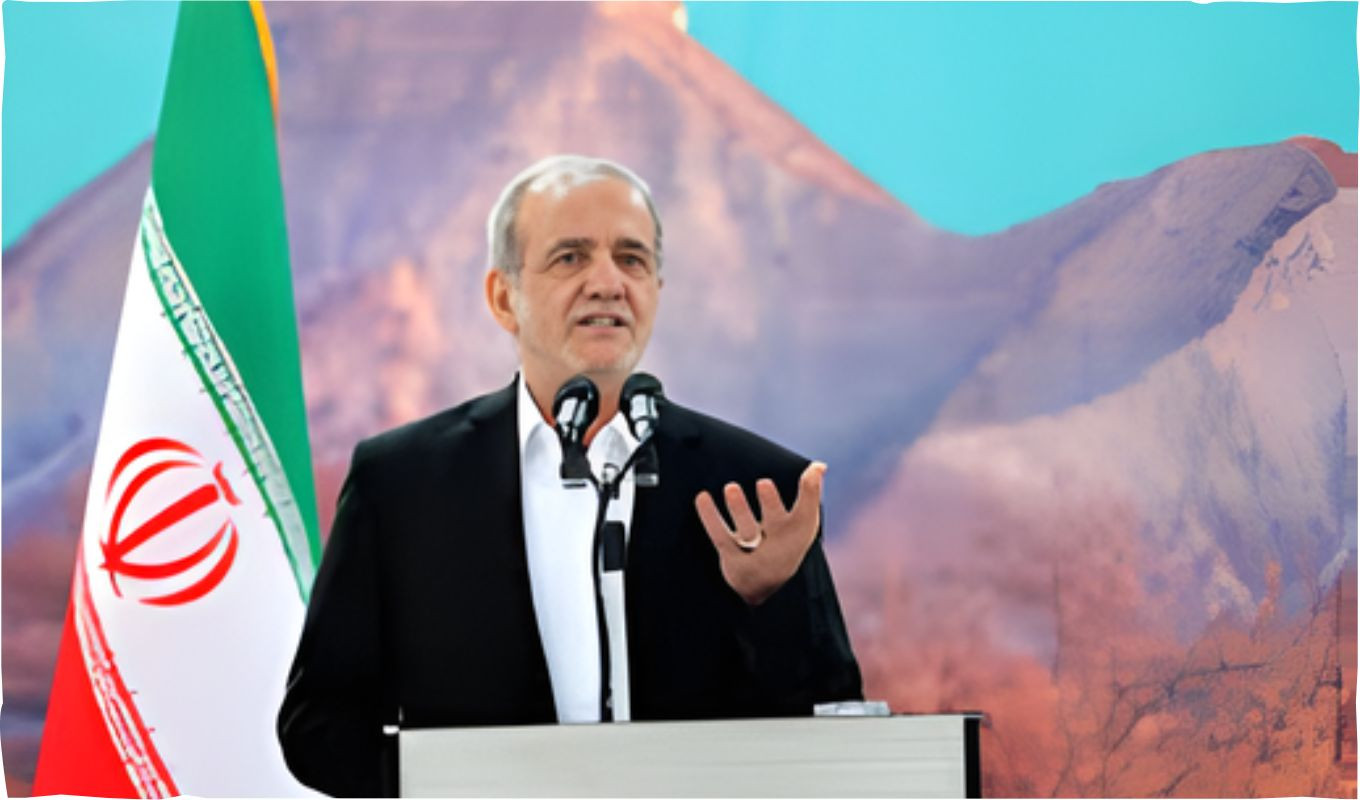
The Iranian government has confirmed the death of Supreme Leader Ayatollah Ali Khamenei following a coordinated U.S.-Israeli strike. The announcement was broadcast on the nation’s state media on Sunday morning, sending shockwaves through the political and religious hierarchy of the country.
In response, Tehran has swiftly formed a three-member interim council to manage state affairs during the transitional period. According to reports from Iranian state television and other official outlets, the council comprises:
| Position | Name | Affiliation/Role |
|---|---|---|
| President | Masoud Pezeshkian | Acting Head of State Administration |
| Head of Judiciary | Gholam Hossein Mohseni Ejei | Chief of Iran’s Judiciary |
| Legal Scholar (Faqih) | [Name Not Disclosed] | Member of Guardian Council |
The establishment of this council is mandated by the Iranian constitution to ensure continuity of governance until the Assembly of Leadership Experts—a body of senior clerics—selects a new Supreme Leader. Ayatollah Khamenei, who assumed the role immediately after the death of Ayatollah Ruhollah Khomeini in 1989, was the second person to occupy the position since the 1979 Islamic Revolution.
Iranian legal scholars stress that the Assembly of Leadership Experts is required to act quickly in appointing Khamenei’s successor. However, ongoing military tensions and continued U.S.-Israeli operations in the region could complicate or delay their deliberations due to security concerns.
The death of Khamenei marks a pivotal moment in Iranian history, not only because of his nearly four-decade tenure as Supreme Leader but also because it triggers a constitutional process that could reshape the nation’s political and religious landscape. Analysts note that the interim council will likely play a stabilising role, maintaining governmental operations and public order while the clerical elite convene to select a successor.
This development underscores the fragility of Iran’s current political climate and highlights the significant influence of both domestic institutions and external pressures on the nation’s governance.

> Muslim Players Disrespected During Iftar Pause
> President Urges Completion of BCS Exams Within the Year
> Families Trapped by Insurance Mis-Selling
> Over Sixty-Four Lakh Names Removed From Bengal Voter List
> Deceptive Suitor Sentenced to Life for Mutilation of Privacy
> BRIT Awards 2026: Performances Fully Ranked
> Strategic Shifts Reshape Global Insurance Sector
> Flights Halted, Mushfiqur Stranded in Jeddah
> Experian Launches AI Insurance Marketplace Within ChatGPT
> All Dhaka–Middle East Flights Temporarily Suspended
> Malinga Confident: Sri Lanka Will Triumph Again
> Bangladesh Identifies High-Risk Earthquake Zones

Manchester City faced Leeds United at Elland Road in a Premier League fixture that briefly paused in...
For decades, India has struggled silently with a widespread financial scandal: insurance mis-selling...
The Election Commission of India has published the final voter list for West Bengal following an ext...

The 2026 BRIT Awards unfolded in Manchester on Saturday, 28 February, marking the first occasion in...
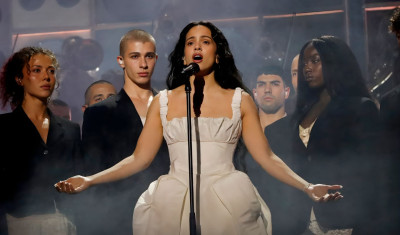
Rosalía delivered a spellbinding, theatrically charged performance of “Berghain” at the 2026 Brit Aw...
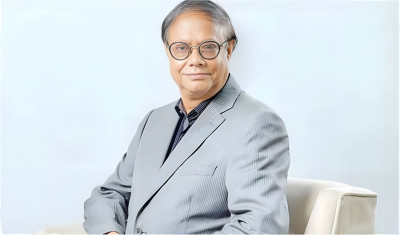
Ahsan H. Mansur, a distinguished economist, former full-time official of the International Monetary...

The 2026 FIFA World Cup, scheduled to begin on June 11, will see the tournament hosted by the United...

Israeli occupation forces prevented worshippers from performing the Isha and Taraweeh prayers at the...
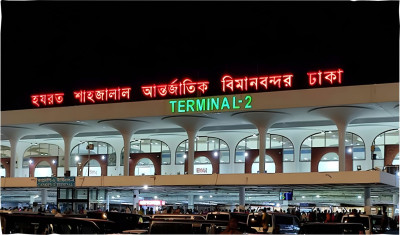
Dhaka’s Shahjalal International Airport has cancelled 54 flights to destinations in the Middle East,...
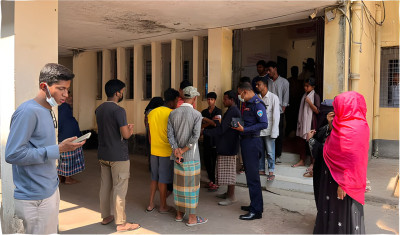
Tragedy struck in Anwara, Chattogram, on Sunday morning when two construction workers fell from a bu...
_1772356521.png)
In the wake of Ayatollah Ali Khamenei’s death following a joint US-Israel airstrike, Iran finds itse...
_1772355903.png)
In a coordinated attack alongside the United States, the Israeli Air Force has claimed to have dropp...


Availabe for iphone & ipads

Available in google play
 বাংলা
বাংলা