Khaborwala Online Desk
Published: 01 Mar 2026, 11:11 am
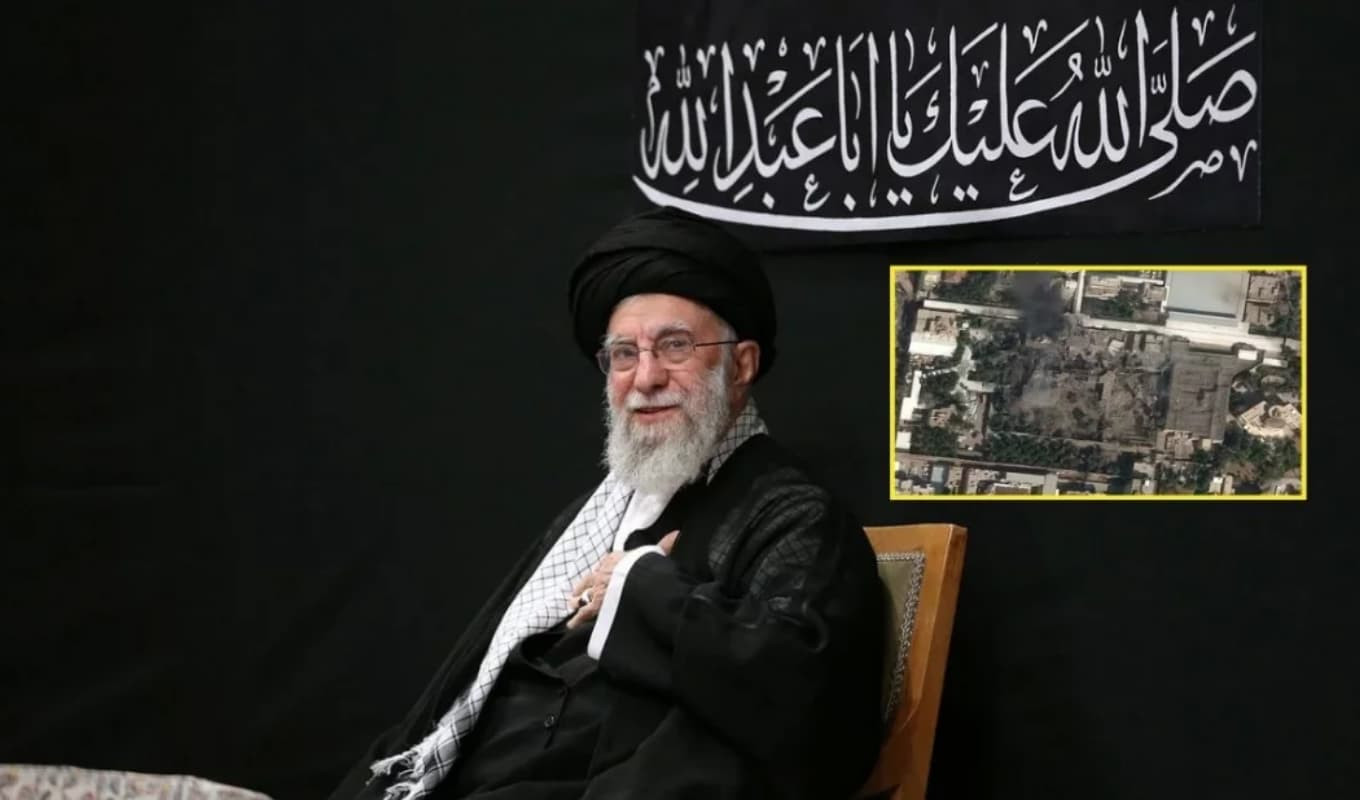
Iran’s Supreme Leader, Ayatollah Ali Khamenei, was killed on the morning of Sunday, 1 March, in a highly coordinated strike that has sent shockwaves across the nation and the wider Middle East. The confirmation came from Iran’s state-run media, including IRIB, and semi-official agencies Tasnim and Fars News. According to reports, the attack was carried out jointly by United States and Israeli military forces, targeting Khamenei and his closest aides.
International news agency Reuters reported that the strike occurred during an emergency meeting in Tehran, where Khamenei convened with senior advisors at a location regarded as one of the most secure facilities in the country. Sources indicate that US President Donald Trump initially announced the Supreme Leader’s death, which was subsequently corroborated by US and Israeli intelligence, confirming that not only Khamenei but also several of his principal collaborators were killed.
Among the casualties were notable figures such as Ali Shamkhani, former Secretary of Iran’s National Security Council, and Mohammad Pakpour, a senior commander in the Islamic Revolutionary Guard Corps (IRGC). At the moment of the strike, Supreme National Security Council Secretary Ali Larijani and Shamkhani were reportedly engaged with Khamenei in a strategic discussion within an underground secure bunker.
Preliminary satellite imagery reveals extensive destruction to Khamenei’s palace and surrounding areas. Defence analysts suggest that the attack employed highly advanced bunker-busting missiles capable of penetrating deep underground facilities, highlighting the precision and scale of the operation.
The assassination has plunged Iran into a state of profound mourning while sharply escalating tensions across the Middle East. The IRGC has publicly vowed to retaliate, signalling a potential surge in regional military confrontations. International observers warn that the event could trigger significant geopolitical and security recalibrations in the region.
| Name | Position / Organisation | Time of Attack | Location |
|---|---|---|---|
| Ayatollah Ali Khamenei | Supreme Leader of Iran | Early morning | Tehran, underground bunker |
| Ali Shamkhani | Former Secretary, National Security Council | Early morning | Tehran, underground bunker |
| Mohammad Pakpour | Commander, Islamic Revolutionary Guard Corps | Early morning | Tehran, underground bunker |
Experts note that this strike not only undermines Iran’s internal security apparatus but may also catalyse a shift in international military dynamics, with potential repercussions for strategic alliances and regional power balances.

> West Indies and India Face Unofficial Quarter-Final
> Historic Asia Cup Women’s Football Begins
> Yamal’s Hat-Trick Secures Barcelona’s Dominant Victory
> Dismemberment Murder Shakes Capital: Roommate Arrested for Revenge Killing
> Saudi Pressure Alleged in Tehran Strikes
> Pahlavi Hails New Era for Iran
> Strategic Shifts Reshape Global Insurance Sector
> Flights Halted, Mushfiqur Stranded in Jeddah
> All Dhaka–Middle East Flights Temporarily Suspended
> Malinga Confident: Sri Lanka Will Triumph Again
> Bank of Singapore Appoints Eng Chien Chan
> Bangladesh Identifies High-Risk Earthquake Zones

_1772348647.png)
The Super Eight stage of the T20 World Cup reaches its climax today with a thrilling, do-or-die enco...
_1772347961.png)
The 2026 AFC Women’s Asia Cup has officially kicked off in Australia, heralding a historic moment fo...
_1772346804.png)
Barcelona reinforced their position at the top of La Liga with a commanding 4–1 home victory over Vi...
A dramatic escalation in Middle Eastern tensions unfolded on Saturday, 28 February, as coordinated a...
Iran’s exiled former Crown Prince, Reza Pahlavi, has issued a strongly worded statement welcoming th...

British singer-songwriter Mula Jones has unveiled her latest single, “Love Letter”, now available wo...
Tensions along the Pakistan-Afghanistan border have sharply escalated in recent days, with both nati...
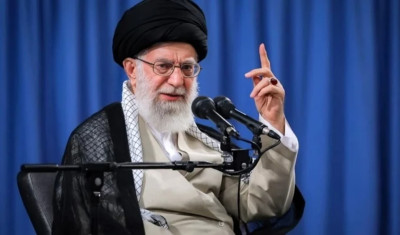
Iran has formally confirmed the death of its Supreme Leader, Ali Khamenei, following what officials...
A somber atmosphere enveloped the Pallekele International Cricket Stadium as the final delivery thud...

In a landmark move for the "InsurTech" sector, the global information services giant Experian has of...

The iconic strains of "You’ll Never Walk Alone" had scarcely faded into the Merseyside air before th...
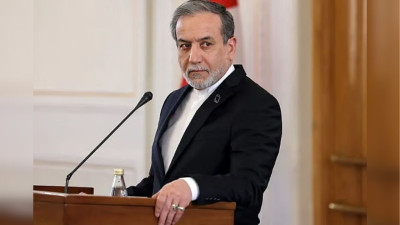
In the wake of a tumultuous wave of military strikes across the Islamic Republic, Iranian Foreign Mi...


Availabe for iphone & ipads

Available in google play
 বাংলা
বাংলা