Khaborwala Online Desk
Published: 28 Feb 2026, 03:33 pm
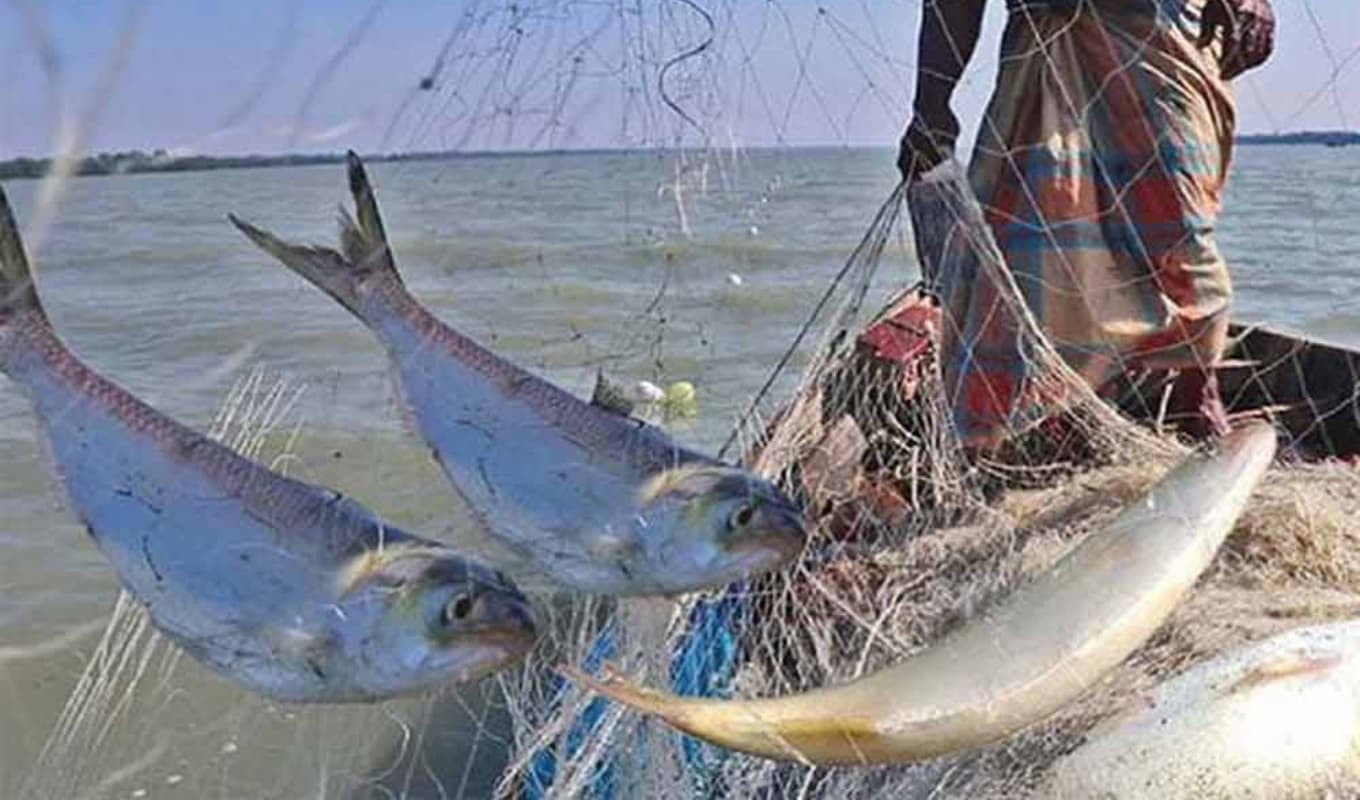
A comprehensive two-month ban on all fishing activities, including hilsa, has come into effect on the Padma and Meghna rivers in Chandpur District. The measure, aimed at conserving juvenile hilsa (jatka) and boosting overall fish production, commenced at midnight on Saturday. During this period, fishing, buying, selling, transporting, or storing fish in the prohibited areas will be strictly prohibited. Authorities have warned that violators will face stringent legal action.
The Chandpur District administration has specified the following zones where the ban is operational:
| Upazila/Region | Prohibited Zone Boundary | Distance (km) | Restricted Activities |
|---|---|---|---|
| Matlab Uttar | Shatnal to Amirabad Market | 30 | Net casting, fishing, buying/selling, storage, transportation |
| Haimchar | Up to Char Vherbi | 70 | Net casting, fishing, buying/selling, storage, transportation |
During this period, ice plants in the region will also remain closed. To support local fishers, the government has arranged the distribution of rice under the Vulnerable Group Feeding (VGF) programme, providing 160 kg per registered fisher in four installments. Chandpur has a total of 39,400 registered fishers. However, anyone caught violating the ban faces a minimum prison term of one year and a maximum of two years, alongside a possible fine of up to five thousand taka. Both penalties may be applied concurrently.
Chandpur District Fisheries Officer Mohammad Fakhrul Islam stated, “All fishing in the Padma and Meghna rivers has been suspended for two months to protect juvenile hilsa. The VGF rice distribution for fishers has already begun. Comprehensive measures have been taken to prevent unscrupulous fishers from entering the rivers during this period.”
Dr. Mohammad Anisur Rahman, a hilsa researcher at the Bangladesh Fisheries Research Institute, cautioned, “Administrative vigilance alone is not enough. Without ensuring financial security for fishers, the long-term benefits of the ban will not be sustainable.”
Superintendent of Police of Chandpur’s Riverine Region, Syed Moshfiqur Rahman, confirmed, “From 1 March to 30 April, river patrols will continue. Through awareness campaigns and regular monitoring, we will ensure no one violates the law or harms juvenile hilsa. Legal action under the Fisheries Act will be taken against offenders.”
The two-month fishing ban is being hailed as a critical step for sustainable hilsa conservation and the long-term management of Bangladesh’s river ecosystems, balancing ecological needs with the livelihoods of local fishers.

> PM Tarique Rahman Outlines Vision to Office Staff
> Urgent Safety Warning for Bangladeshis in Qatar
> Israel Claims Strikes on 100 Iranian Targets
> Tehran Unleashes Second Wave of Retaliatory Strikes
> Tehran Vows Continued Strikes Until Enemies’ Total Defeat
> Iran Faces Widespread Internet Blackout
> Citi Makes Maiden Japan Investment in Sakana AI
> Strategic Shifts Reshape Global Insurance Sector
> All Dhaka–Middle East Flights Temporarily Suspended
> Malinga Confident: Sri Lanka Will Triumph Again
> Police Chief Mandates Weekly Check-ins for Bailed Criminals
> Flights Halted, Mushfiqur Stranded in Jeddah


In a significant symbolic and administrative gesture, Prime Minister Tarique Rahman convened his fir...
Bangladesh witnessed a quiet yet significant administrative transition on Saturday, 28 February 2026...

Escalating hostilities in the Middle East have severely disrupted regional air travel, leaving thous...

The UEFA Champions League round of 16 draw has revealed an exceptionally tough segment of the bracke...

In the wake of escalating US-Israel airstrikes on Iran and subsequent missile exchanges in the Gulf...
The Government of Bangladesh has decided to confer the prestigious Bangla Academy Literary Award on...
The Dhaka University Central Student Union (DUCSU) has announced a sit-in at the university’s Procto...
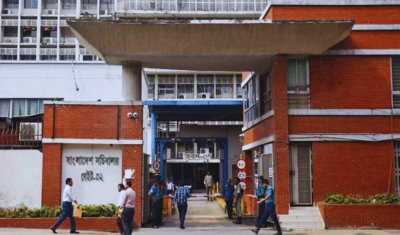
Bangladesh’s public administration is currently facing significant inefficiencies, largely due to po...
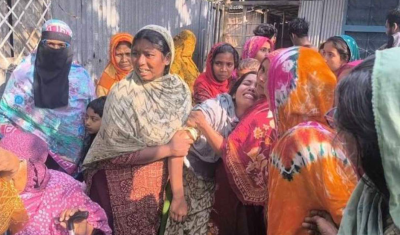
A brutal double crime has shaken a rural community in Ishwardi, Pabna, where a 65-year-old grandmoth...

Amid a series of tremors felt across the country this February, concerns over Bangladesh’s seismic v...

Sheikh Tanvir Bari Hamim, convener of the Dhaka University (DU) Kabi Jasim Uddin Hall unit of the Ch...

Insurance Development and Regulatory Authority has announced the schedule for the practical examinat...


Availabe for iphone & ipads

Available in google play
 বাংলা
বাংলা